
Additive Manufacturing / Metal 3d printing
From precision components to large-format metal parts
EPB Tech provides access to multiple metal additive manufacturing technologies through our local capabilities and global manufacturing network.
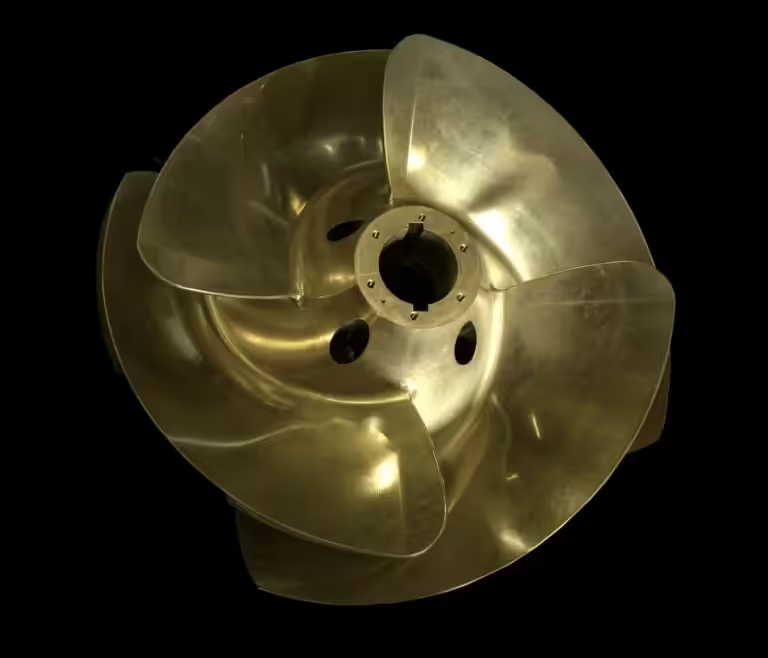
Not Limited by a Single Machine
Different parts require different technologies.
Rather than designing your component around the limitations of a single machine, we evaluate your material, geometry, size, tolerances, quantity and application before selecting an appropriate manufacturing route.
Why Metal 3D Printing?
Unlock A World of Endless Possibilities

Complex Geometries
Metal 3D printing can manufacture intricate internal channels, lattice structures, and complex shapes that are difficult or impossible to produce with conventional machining.

Faster Lead Times
Parts can be produced directly from digital CAD files, reducing the need for tooling, moulds, fixtures, and lengthy manufacturing setups.

Less Material Waste
Unlike CNC machining, which removes material from a solid block, additive manufacturing builds material only where it is needed. This can significantly reduce waste, especially when working with expensive alloys.

Design Optimization
Consolidate multiple components into a single part and optimise designs for weight, performance, and functionality without being restricted by conventional manufacturing methods.